Blog article
The most important truths about Addiction
Addiction is not simply a bad habit that a person needs to stop. It is a cycle that can progressively take control of a person's life—and healing starts when you understand the loop beneath the behaviour.
Addiction is a cycle, not a character flaw
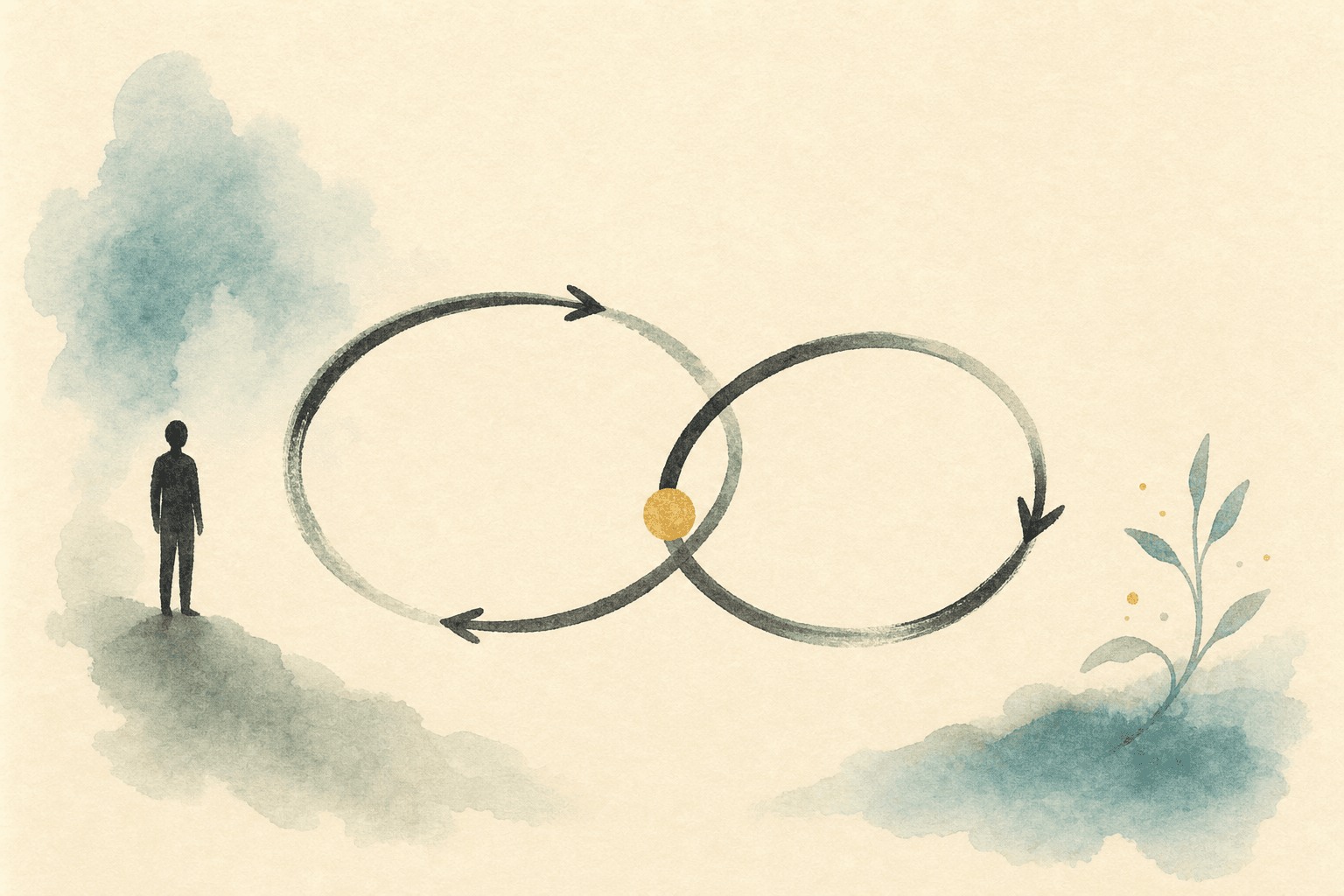
Addiction is not simply a bad habit that a person needs to stop. It is a reinforced cycle that can progressively take more of a person's attention, energy, and choices—and, when left untreated, can become deeply harmful.
Shame often says, "I should be stronger." A clearer truth is: the brain has learned a fast path to temporary relief. That learning can be understood, interrupted, and retrained.
Truth 1: The substance or behaviour is not the whole problem
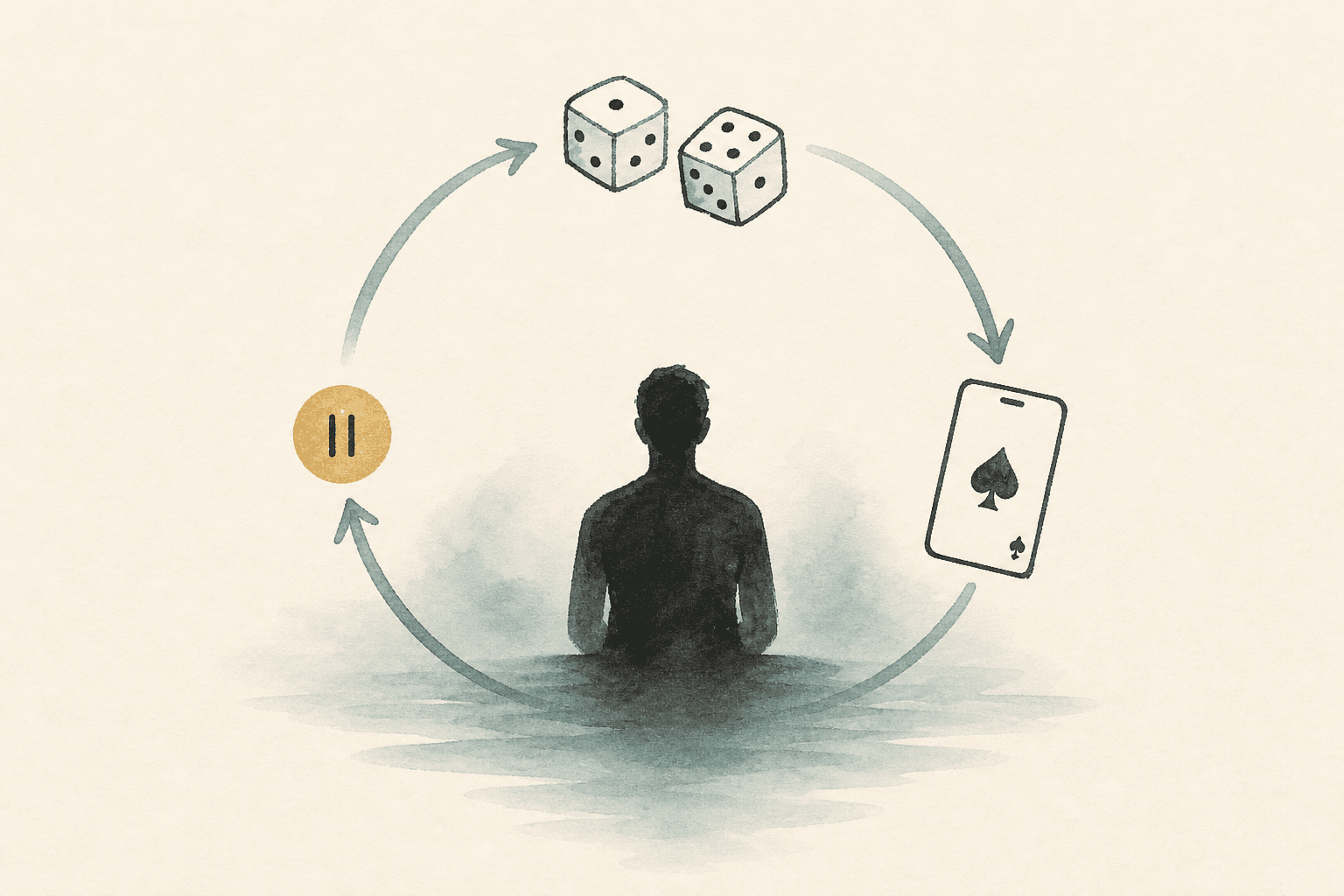
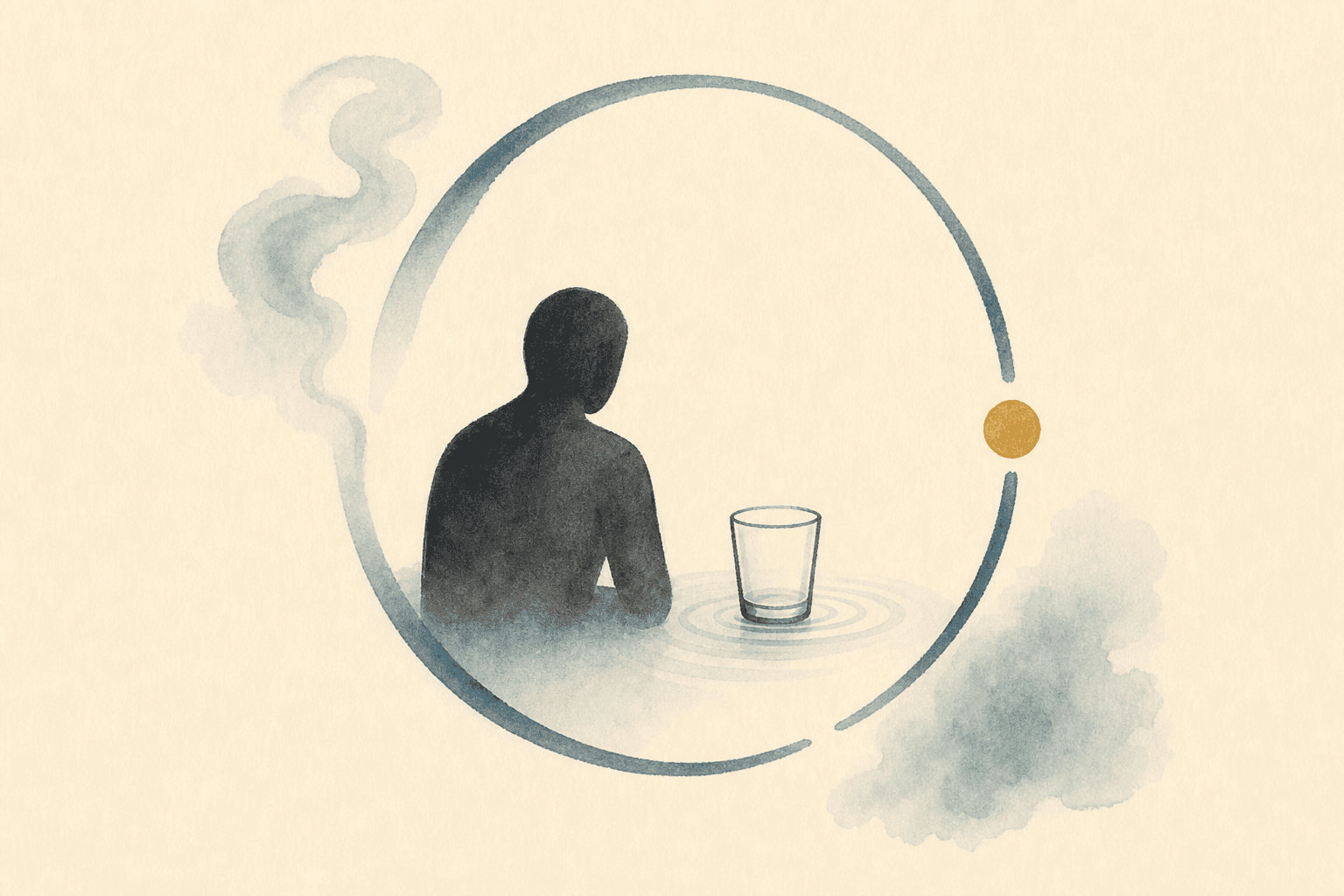
Alcohol, gambling, food, porn, nicotine, scrolling, or work can look completely different on the surface. Underneath, many patterns follow the same loop: trigger, craving, behaviour, short-term reward, then reinforcement.
If you only fight the surface behaviour, the underlying loop often finds another outlet. That is one reason people can move from one pattern to another without feeling free. See The Core Pattern Behind All Addictions for the shared mechanism.
Truth 2: The loop solves something real—then charges a high price
People stay stuck because the pattern reduces pain, creates relief, provides a sense of control, or fills a gap. The relief is real. It is also temporary, and the brain strengthens the pathway each time it works.
That is why willpower alone often fades under stress. The goal is not to pretend the payoff never existed. The goal is to build healthier ways to meet the same need.
Truth 3: Awareness comes before lasting change
You cannot change a pattern you refuse to see. Self-awareness is not self-attack. It is noticing cues, timing, emotion, and environment without collapsing into shame.
A practical pause—even a few minutes—creates space between urge and action. In that space, choice becomes possible again.
Truth 4: Environment and identity shape the loop
Access, exposure, and what feels "normal" around you matter. So does the story you tell yourself about who you are.
Healing work often includes friction (making the old path harder), support (making the new path easier), and a quieter identity shift: from "this is who I am" to "this is a pattern I have practiced—and I can practice something else."
Truth 5: Change is training, not a one-move breakthrough
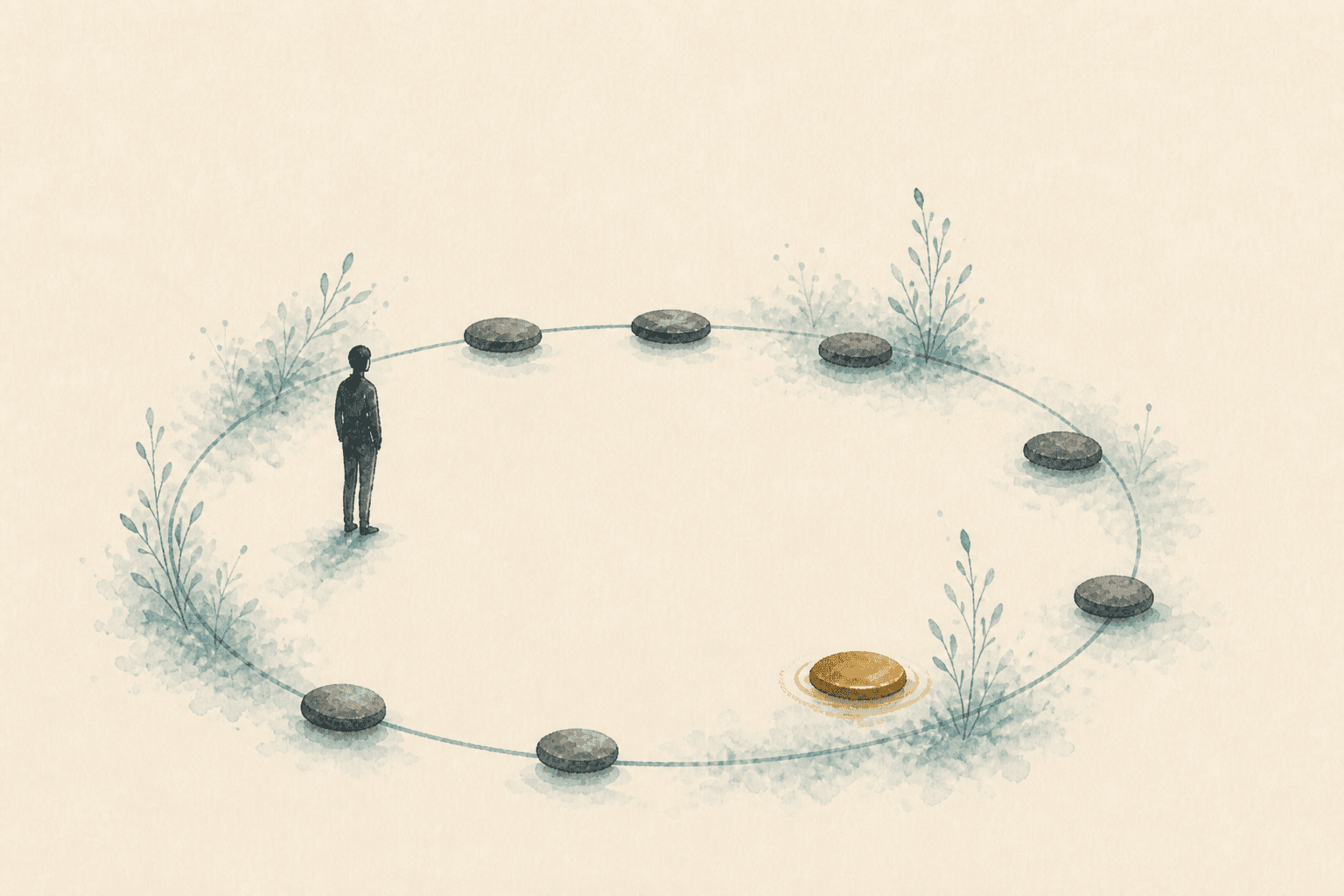
You do not usually "break" addiction in a single dramatic moment. You out-train the loop through repeated pauses, redesigned environments, healthier rewards, and steady support.
Structured programmes help because they work the system—not only the mood of the day. Learn more about Gerald's approach in the Hypnotherapy Addiction Healing Model (HAHM) and the one unified model of addiction.
What support can look like
If these truths feel familiar, you do not have to figure out the next step alone. You can explore the 4-week addiction healing programme, take the Addiction Healing Readiness Assessment, start a guided enquiry, or make a confidential contact.
The aim is calm, practical pattern work—not guaranteed cures or overnight promises.