Blog article
One Unified Model of Addiction
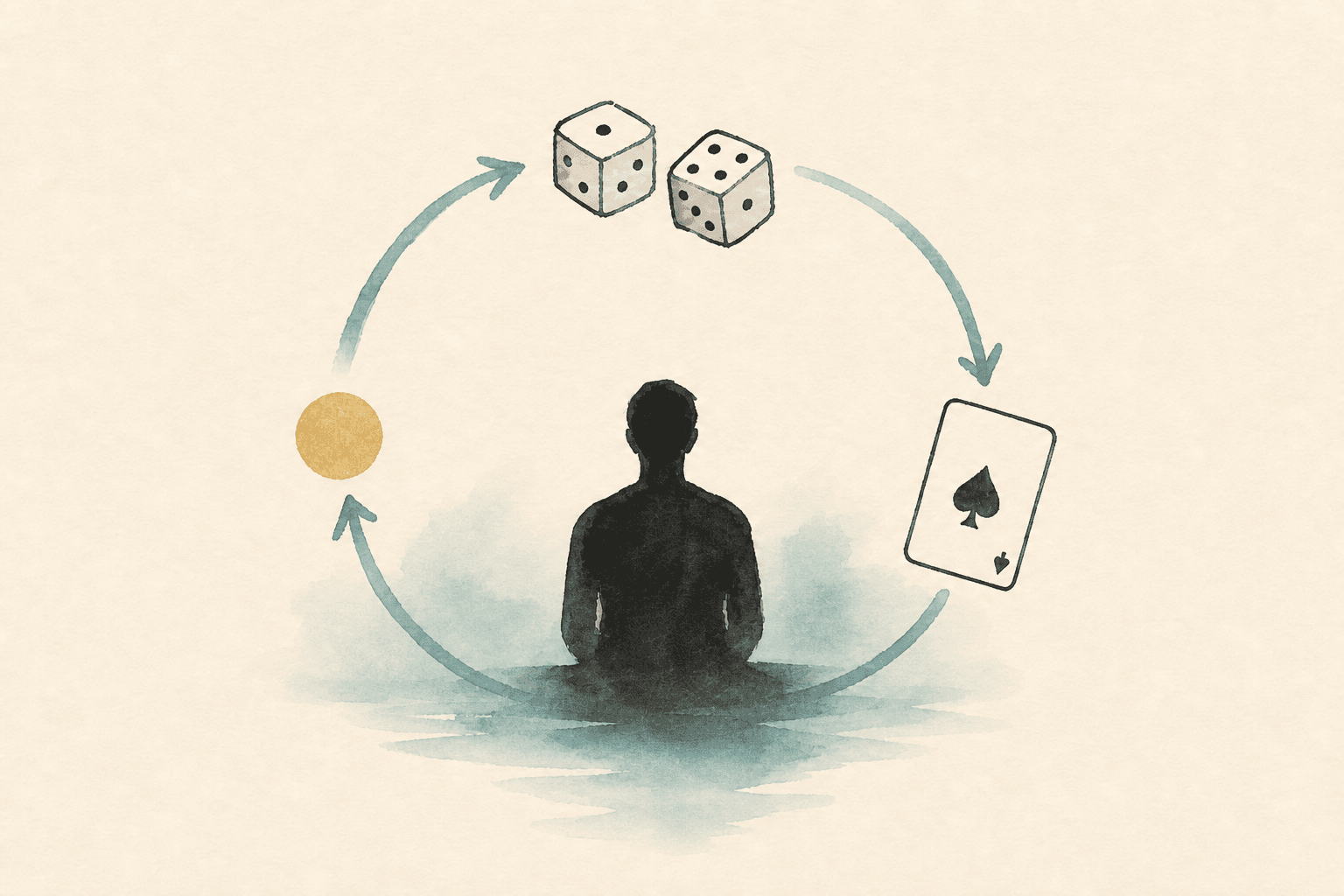
Here is a wide range of addictions – substances (alcohol, nicotine, opioids), behaviors (gaming, social media, gambling), and emotional patterns (relationships, attention, work).
Overview
Here is a wide range of addictions – substances (alcohol, nicotine, opioids), behaviors (gaming, social media, gambling), and emotional patterns (relationships, attention, work).
Here’s the key insight:
1. Core loop (applies to ALL addictions)
Every addiction—no matter the form—follows this:
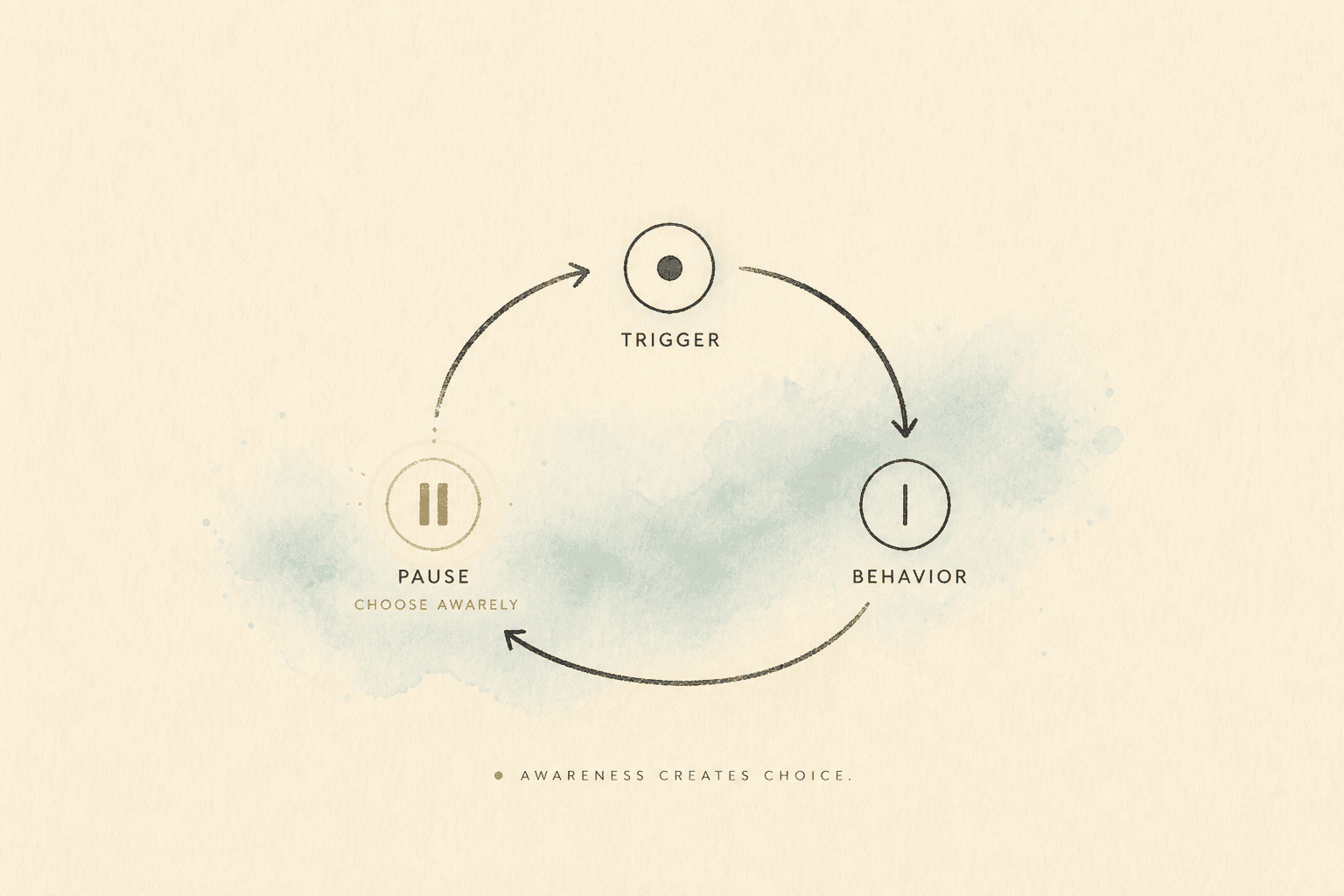
Trigger → Craving → Behavior → Reward → Reinforcement → Repeat
This is driven by the Dopamine reward system
2. What changes between addictions (surface layer)
Different inputs and outputs—same internal engine.
3. The real drivers (under the surface)
All addictions are fueled by combinations of:
- Trying to escape or change feelings
- Stress, anxiety, loneliness, boredom
- How strongly your brain responds to stimulation
- Some people need more intensity
- Repetition makes it automatic
- The Habit loop becomes faster over time
- Access, exposure, normalization
- What’s around you shapes behavior
- “This is who I am” (gamer, worker, partier, etc.)
- Lack of purpose increases vulnerability
5. Why people get stuck
Because the loop solves something real:
The problem is: it’s temporary and reinforces itself
- Reduces pain
- Creates relief
- Provides control
- Fills a gap
6. The universal breaking strategy
Instead of treating each addiction separately, target the system:
- When do you default into the behavior?
- Delay action
- Change environment
- Add friction
- You need an alternative that gives some payoff
- Not just “stop”—but redirect
- Consistency builds new pathways
- Small wins > big intentions
- Emotional regulation
- Purpose and structure
- Relationships and support
7. The big shift
From:
To:
Final perspective
All addictions are variations of the same system:
Change the loop—and you change the outcome.