Blog article
Signs of Substance Addictions
Physical dependence means your body has adapted to a substance and now needs it to function normally. When the substance is reduced or stopped, withdrawal symptoms appear.
Overview

Physical dependence means your body has adapted to a substance and now needs it to function normally. When the substance is reduced or stopped, withdrawal symptoms appear.
While each substance has unique effects, the core signs of dependence are similar across all of them.
Core Signs of Physical Dependence (All Substances)
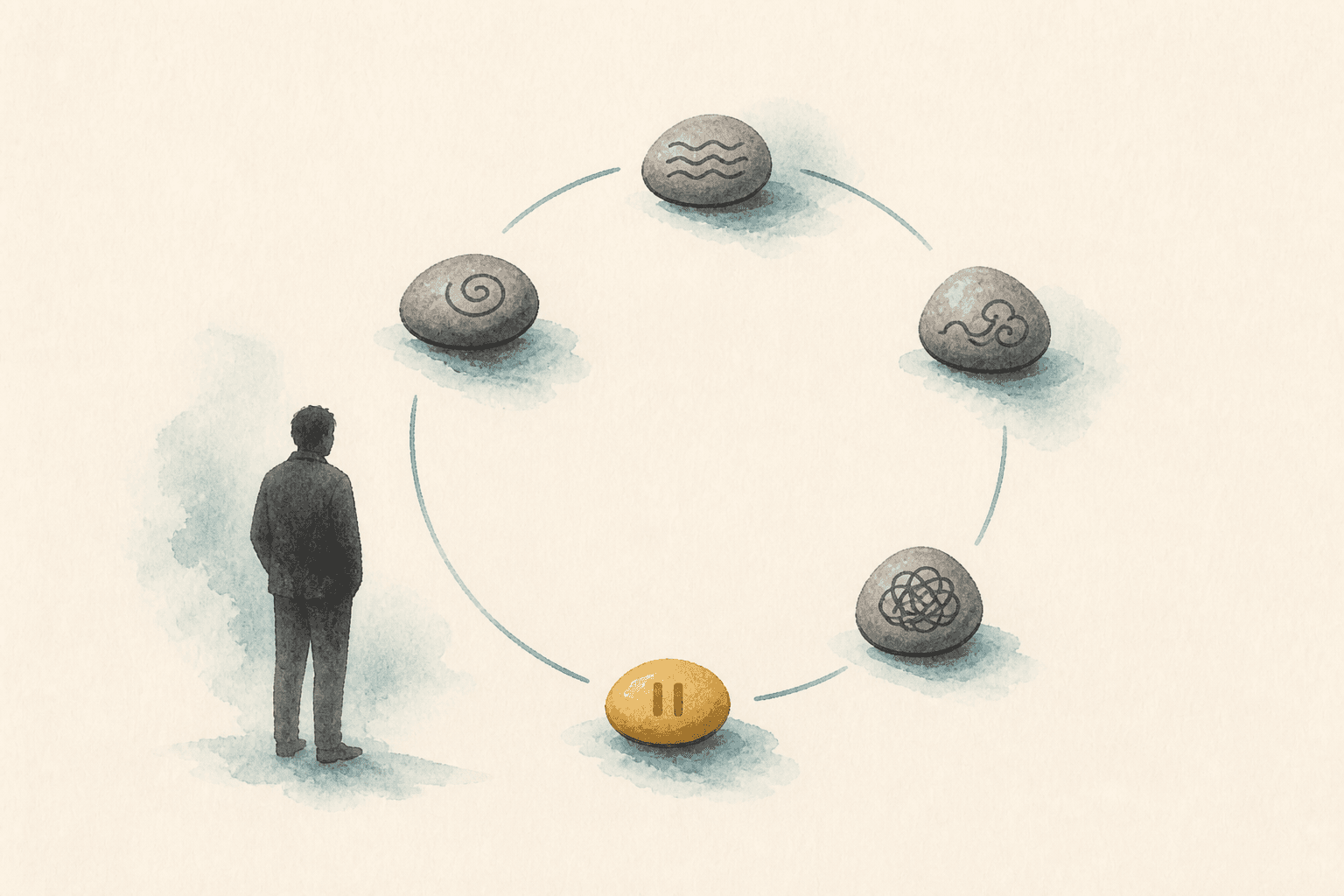
Severity depends on the substance (some can be life-threatening)
1. Tolerance
2. Withdrawal symptoms
When stopping or reducing use:
3. Cravings (compulsion)
4. Loss of control
5. Using to avoid withdrawal
- Needing more of the substance to get the same effect
- Reduced sensitivity over time
- Shaking or tremors
- Sweating
- Anxiety or irritability
- Nausea or vomiting
- Insomnia
- Strong cravings
- Strong urge to use
- Difficulty focusing on anything else
- Mental preoccupation
- Using more than intended
- Unable to cut down despite trying
- Taking the substance just to feel normal
- Not necessarily to get “high” anymore
Alcohol addiction (Alcohol Use Disorder)

One of the most dangerous withdrawals
- Tremors (“shakes”)
- Sweating, anxiety
- Severe cases: seizures, delirium
Nicotine addiction

Highly addictive, fast reinforcement cycle
- Irritability
- Restlessness
- Increased appetite
- Strong habitual cravings
Cannabis dependence
More psychological than severe physical withdrawal
- Irritability
- Sleep disturbances
- Vivid dreams
- Anxiety or low mood
Opioid addiction (e.g. Heroin, Morphine)

Extremely uncomfortable withdrawal (rarely fatal, but severe)
- Muscle aches
- Sweating, chills
- Nausea, diarrhea
- Intense cravings
Stimulant addiction (e.g. Cocaine, Methamphetamine)
Psychological withdrawal can be intense
- Crash: fatigue, depression
- Increased sleep
- Strong cravings
Prescription drug addiction
(e.g. Diazepam, sleeping pills)
Must be tapered medically
- Anxiety, panic
- Insomnia
- Tremors
- Seizures (especially benzodiazepines)
Inhalant abuse
Less classic withdrawal—but high toxicity risk
- Headaches
- Nausea
- Irritability
- Cognitive issues
Critical safety note

Some withdrawals can be dangerous or life-threatening:
These should never be stopped abruptly without medical supervision
- Alcohol
- Benzodiazepines
The deeper pattern
Even though symptoms differ, all substances lead to:
When to seek help
- You experience withdrawal symptoms
- You need the substance to function normally
- You’ve tried to stop but can’t
- Your use is increasing over time
Grounded perspective
Physical dependence is not weakness—it’s biology adapting to repeated exposure.
But once dependence forms: