Blog article
What Makes Hypnotherapy Programs Effective
Effective programmes do more than one session. They combine structure, repetition, and practical reinforcement so new responses become daily habits.

A program works when it changes the pattern, not just the mood
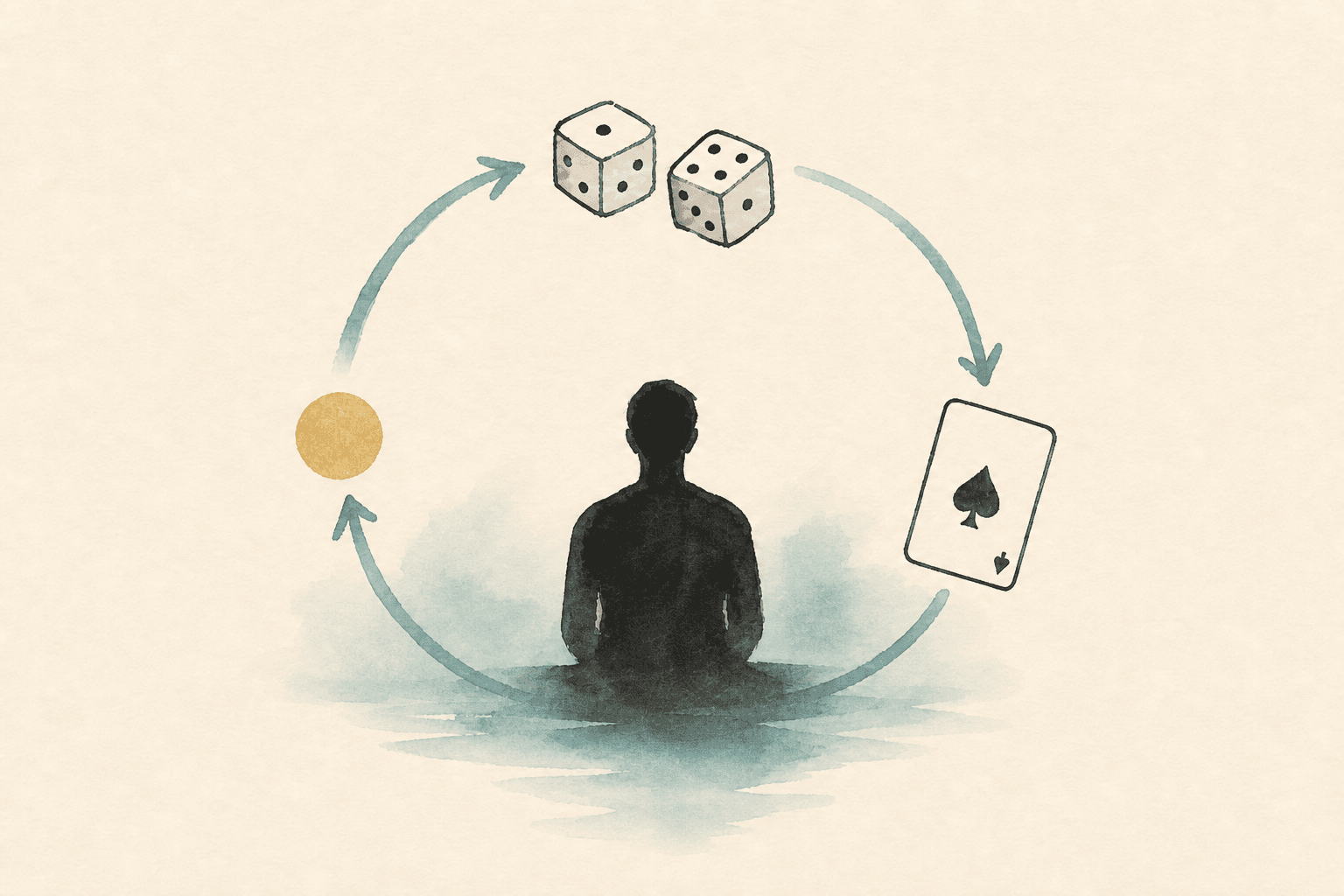
Many people feel temporary relief after one session, but old triggers can still reactivate the same behaviour loop. A stronger outcome usually comes from a structured programme that repeats key pattern interrupts over time.
The focus is not perfect willpower. The focus is making the old trigger response weaker while making the new response easier to repeat in daily life.
Five elements that improve outcomes
The strongest recovery programmes usually include the same foundation elements:
- Repetition across multiple sessions, instead of one-off intervention.
- Work with both emotional triggers and automatic behavioural cues.
- Clear weekly phases with a defined goal for each phase.
- Subconscious reinforcement that supports calmer decision points.
- Practical integration tasks between sessions in real life contexts.
How weekly structure supports progress
A weekly rhythm allows each step to build on the previous one. Early sessions map triggers and urges, middle sessions reinforce pattern breaks, and later sessions focus on sustainability and relapse prevention.
Week 1: Pattern mapping
Identify personal trigger pathways, emotional load, and high-risk moments.
Week 2: Core interruption
Practice new responses to cravings with guided subconscious and behavioural techniques.
Week 3: Consolidation
Strengthen consistency in daily routines, especially under stress or social pressure.
Week 4: Future-proofing
Build a sustainable relapse prevention plan and maintenance routine.